A Local’s Guide to Boston: Where to Stay, How to Get Around, and Other Helpful Tips
Some links in this post are affiliate links, meaning I will earn a commission (at no extra cost to you) if you click through and make a purchase. For more info, please see my disclaimer.
Having grown up in New Hampshire, I can never claim the title of Bostonian; I will forever be a New Hampshirite (or, as the New Yorkers love to call us, a Hamster). I can, however, call myself a Boston local, as the city has been my home for over a decade. I moved here after college, went to grad school here, and later began working here.
Being an outsider-turned-local allows me to switch perspectives: I can see the city through the eyes of both a local and a newcomer. I might now feel at home in Boston, but it wasn’t always that way. I still remember what it was like when I first came here: the confusion around public transit (What’s inbound? What’s outbound?), the uncertainty about what sites were worth seeing, the overwhelming anxiety of driving in Boston for the first time (I was baptized by fire on Huntington Ave), and most importantly, the inability to weigh in on the city’s greatest debate – who has the best cannoli?
Jokes aside, I decided to write this guide to help make visitors feel at home in Boston, even if only for a day or two. I’ve broken this guide into six sections: when to visit, how to get around, where to stay, quintessential sites, what to eat, and other helpful tips and tidbits. I hope you find this guide helpful, and more importantly, I hope you have a wonderful time in Boston!
When to Visit
Much like the Hotel California (any Eagles fans out there?), you can visit Boston any time of year, and there are pros and cons to each season.
Winter
The Pros to Visiting During Winter
Boston shines (quite literally) in December. The city is bedecked with lights and decorations for the holiday season, and the notoriously standoffish Bostonians are a little more approachable. People parade up and down Newbury Street, weighed down by shopping bags, and the line for hot chocolate at L.A. Burdick snakes out the door. Seasonal markets, like Snowport, also pop up.
Outside of December, wintertime in Boston is fairly quiet, but there is still plenty to take in and do. Beacon Hill, Boston’s historic neighborhood with brick townhouses and cast-iron lampposts, is at its most picturesque during a snowstorm. If you’re a skier, Boston can also serve as a pit stop or jumping-off point for visiting the slopes up north or out west, and if you aren’t a skier, there are plenty of other winter sports you can partake in both in and around the city, including ice skating, cross-country skiing, snowshoeing, and tubing.
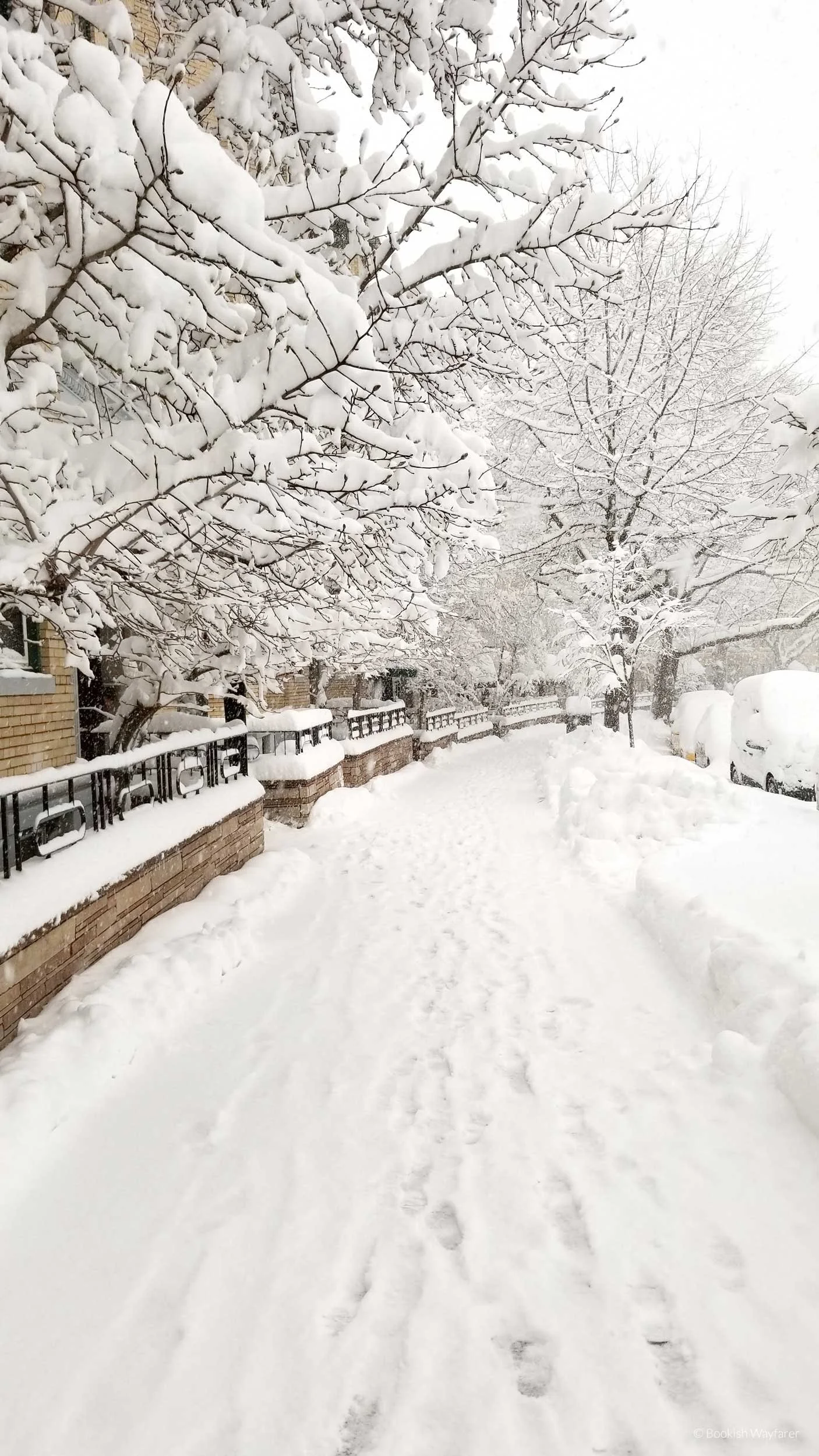
Snowy Boston
The Cons to Visiting During Winter
At the risk of sounding like Captain Obvious, Boston is cold during the winter, and to those unaccustomed to wintertime temperatures, it can be a bit of a shock, especially out by the harbor where the wind chills can be brutal. Visiting Boston in the winter also requires packing seasonally appropriate clothing, including a winter coat, a hat, gloves or mittens, a scarf, and boots. Another downside to visiting during the winter is the potential for flight cancellations due to snowy and/or icy conditions.
Winter Gear Recommendations
So, you want to visit Boston in the winter, but you don’t own any winter gear? No worries, I’ve got you! Here are my current favorites:
Fjällraven Singi Down Jacket — I’ve owned this coat for several years, and it has served me well, keeping me nice and toasty, even on the coldest days of the year. There’s also a men’s version available.
Turtle Fur Fleece-Lined Hat — My go-to brand for winter hats has been Turtle Fur for quite a few years. I especially love their fleece-lined hats; they keep my head and ears cozy and warm.
Knitted, Fleece-Lined Mittens — The pair of mittens I own was actually knitted for me by my talented sister, but fear not, you, too, can be the proud owner of a pair of hand-knitted, fleece-lined mittens. The mittens I’ve linked to look similar to the pair I own, and as an added bonus, you get to choose from several different color options. If you’re wondering why I recommend mittens instead of gloves, the answer is simple: mittens are warmer.
Kiltane Cashmere Scarf— I am a big proponent of cashmere scarves. They’re warm, soft, and most importantly, non-itchy.
Bogs Winter Boots — When my old winter boots needed replacing, I bought a pair of Bogs’ winter boots, and I haven’t looked back. They keep my toes toasty, and their built-in handles make them easy to pull on. Plus, they’re waterproof, a must-have for any winter boot. Bogs also makes winter boots for men.
Smartwool Classic Thermal Base Layer Bottom — Long underwear, thermal base layer: whatever you want to call them, they’re my secret weapon to not only surviving but enjoying Boston winters. If I want to go for a walk on a chilly day, I throw them on under my jeans, and they keep me pleasantly warm. I’ve even worn them under long dresses because sometimes you want to wear a dress in 30-degree (Fahrenheit, that is) weather. Looking for the men’s version? Here ya go.
Spring
The Pros to Visiting During Spring
In the spring, Boston is awakening from its winter hibernation. The magnolia trees are blooming, bird songs once again fill the air, and slowly but surely, the number of layers you have to wear when leaving the house lessens. Patriot’s Day, the third Monday in April, sees thousands of runners gather for the annual Boston Marathon, and spectators line the route to cheer them on. On the cusp of spring, there’s also the annual St. Patrick’s Day parade in Southie (i.e., South Boston) and the Boston Calling Music Festival, which is typically held around Memorial Day. And let’s not forget baseball – spring sees the opening of Fenway Park.
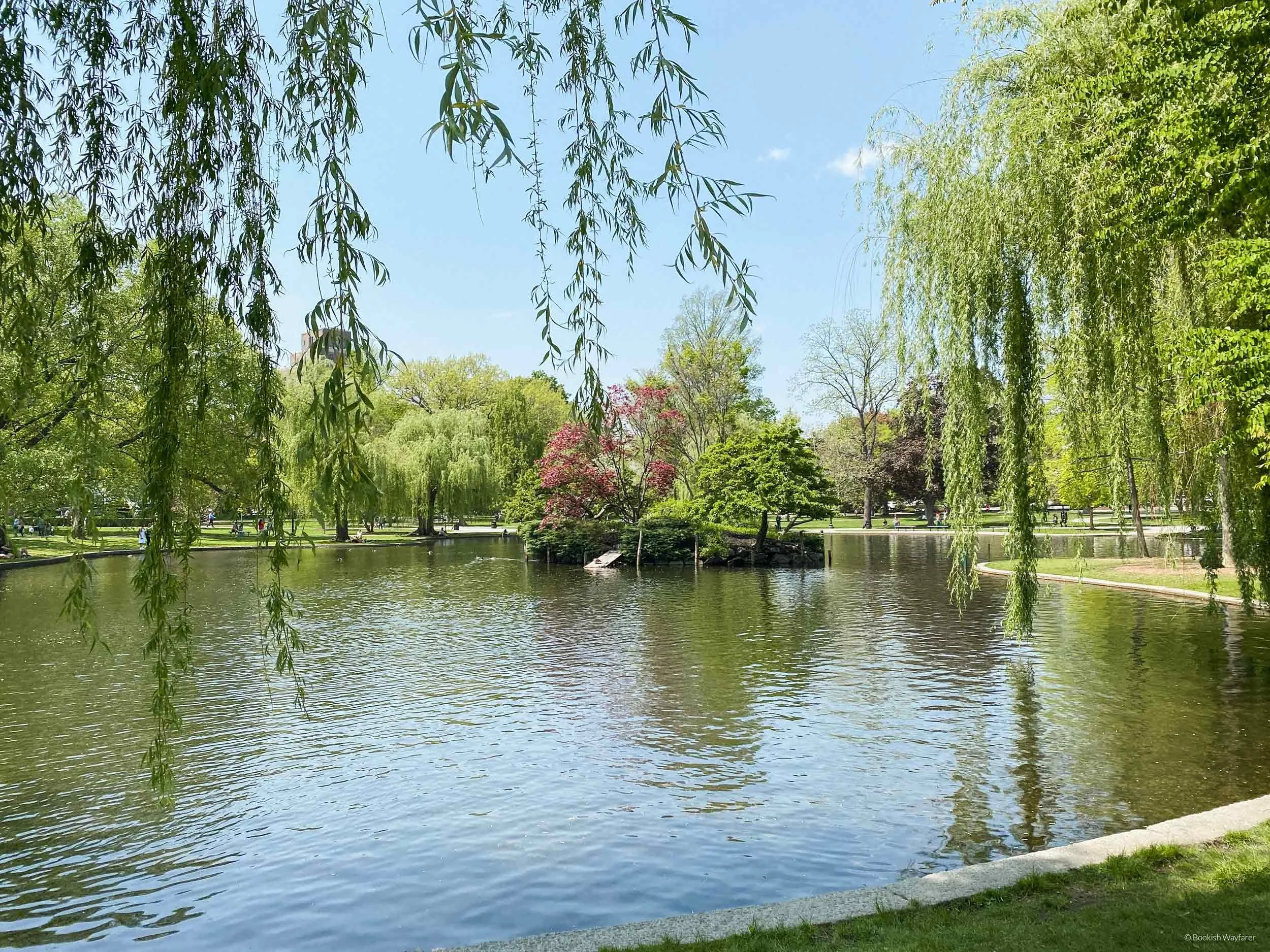
Springtime in the Boston Public Garden
The Cons to Visiting During Spring
The weather in Boston during the spring isn’t the greatest. It’s often dreary and overcast, and rain is all too common. While the temperatures are warming up, it’s not yet warm enough where you can forgo a coat or waltz about in shorts and a t-shirt. Spring is also when the pollen count starts to get bad, so if you’re like me and have seasonal allergies, walking around outside can be unpleasant, to say the least (hello, itchy eyes and throat, and hey there, runny nose!).
Springtime in Boston: What to Pack?
Wondering what to wear in Boston during the spring? Here are my March-to-May essentials:
Patagonia Storm Racer Jacket — The exact raincoat I own from Patagonia is sadly no longer made, but their Storm Racer jacket looks to be identical to the one I own in all but name. Much like my raincoat, the Storm Racer is lightweight and stashable, making it easy to stow away in your purse or backpack so that you’re never caught flat-footed when a spring rain shower hits. (Psst, a men’s version is also available).
Patagonia Better Sweater Fleece Jacket — I swear this post is not sponsored by Patagonia; I am simply a fan of their products. I’ve owned and worn my Patagonia Better Sweater fleece jacket for years. It’s the perfect jacket for those brisk spring days. Need a link to the men’s version? Here it is.
L.L. Bean Wool Peacoat — For those chillier, damp spring days, I bust out my L.L. Bean wool peacoat. It’s both water and wind-resistant, keeping me warm and dry. Also, in case you haven’t realized it yet – yes, us New Englanders own a lot of coats (I have a coat for pretty much every 10-degree temperature interval). Link to the men’s peacoat.
L.L. Bean Boundless Softshell Jacket — On days when it’s not that cold but also not quite warm enough to venture forth without a coat (i.e., the low 60s), I wear this jacket.
Hoka Challenger 8 Sneakers — If you plan on doing a lot of walking, you’re going to want a comfortable pair of shoes. My go-to walking shoes? Hoka’s Challenger 8 sneakers (also available in men’s). They’re comfortable and lightweight.
Repel Travel Umbrella — This compact umbrella can be easily stashed in a tote bag or tucked away in your suitcase. Should it rain, you’ll be glad you brought it — trust me, there’s nothing worse than having to walk around in wet clothes.
Summer
The Pros to Visiting During Summer
Ah, summer. Next to fall, this is Boston’s best season. You can bask in the sun (while wearing sunscreen, of course) and finally bid adieu to cumbersome coats. Plus, summer = festivals + parades. To name a few, there’s the Dorchester (a.k.a., Dot) Day parade, Boston Pride parade, Boston Pops Fireworks Spectacular (i.e., our 4th of July celebration featuring fireworks set to music by the Boston Pops), Jimmy Fund Scooper Bowl, and several Italian feasts in the North End (my favorite is St. Anthony’s). Summer is also a wonderful time to take a drive down to the Cape or visit Nantucket or Martha’s Vineyard for a long-weekend getaway.
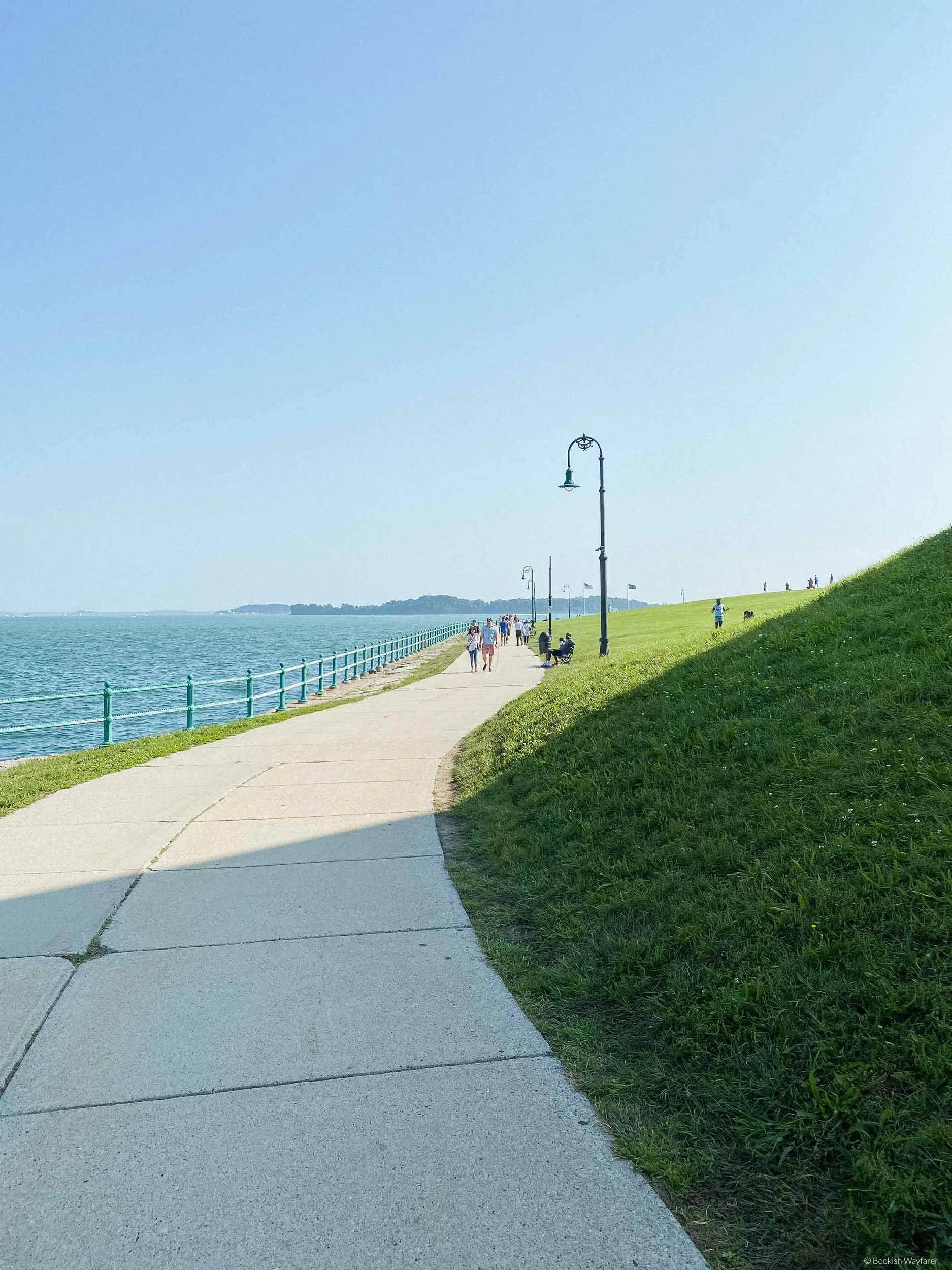
Strolling along the Harborwalk on Castle Island
The Cons to Visiting During Summer
In recent years, our summertime weather hasn’t been the most pleasant. As with most of New England, our summers are muggy, which, when combined with hot temps, can lead to oppressive conditions. Summer is also a popular time for people to visit, so you can expect long waits at popular attractions and restaurants.
Boston Summer Essentials
Here are a few things that I recommend packing if you’re planning a Boston summer getaway:
Nalgene Water Bottle — A water bottle, be it this one or whatever one you already own, is a non-negotiable. If you’re planning on walking the Freedom Trail or ambling through Beacon Hill, you need to stay hydrated.
La Roche-Posay Sunscreen — Another non-negotiable: sunscreen. Anytime you plan on spending time outside, you should be protecting your skin with sunscreen. This is the brand I use, but use whatever brand works best for you and your skin type.
Birkenstock Arizona Sandals — Having grown up along the border of Vermont, I’ve been wearing Birks since I was a teen, and I’ll never stop wearing them. Once you break them in, they’re so comfortable, and they last a while (after wearing the same pair since high school, I finally bought a new pair last year). I’ve linked to the women’s sandals, but a men’s version is also available.
Maui Jim Polarized Sunglasses — Since switching to polarized sunglasses back in college, I haven’t looked back. I love how they cut down on glare without tinting everything to the nth degree; I find that colors actually look more vibrant when wearing my Maui Jim’s. I’ve linked to the women’s aviator frames (the style I own), but Maui Jim makes a ton of different styles for both men and women.
I also recommend packing a hat to keep the sun out of your eyes.
Fall
The Pros to Visiting During Fall
Autumn is when Boston (and all of New England for that matter) is at its peak. The temperatures have cooled down, the leaves have turned lovely shades of red and yellow, and you can get everything and anything pumpkin-spiced. The third weekend in October sees the Head of the Charles Regatta, a rowing competition on the Charles River, and from September to October, you’re only a car ride away from pick-your-own apples and apple cider doughnuts (a must-try New England fall staple).
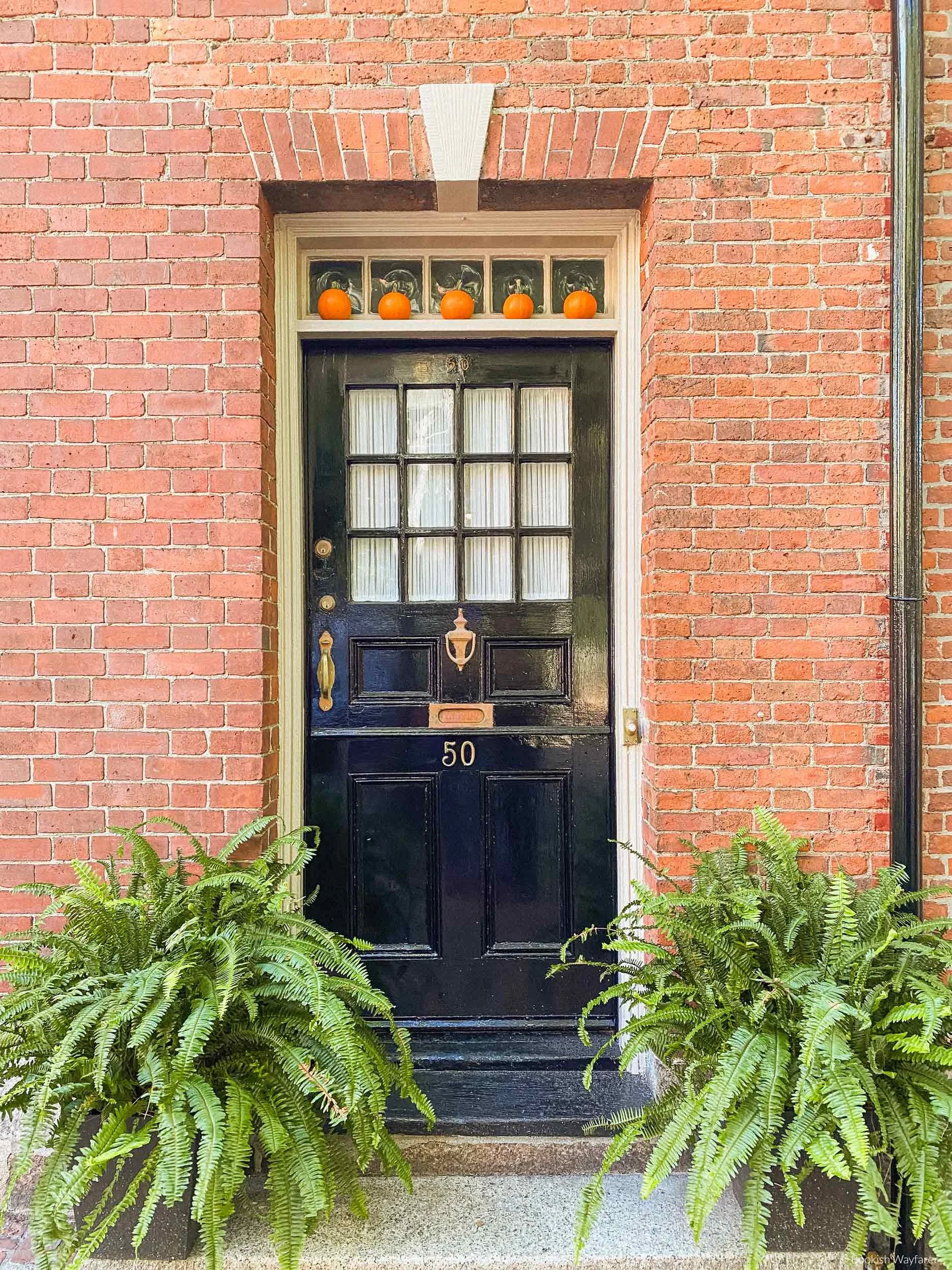
A Beacon Hill townhouse all decked out for fall
The Cons to Visiting During Fall
Because fall is such a lovely time to visit Boston, a lot of people tend to come here then. You can expect crowds at the nearby orchards, and if you’re planning a visit to Salem, a word to wise: October is their busiest month (you can expect unfathomably long lines and crowds).
Autumn in Boston: What to Bring?
Planning an autumnal trip to Boston? Here are a few things I recommend bringing:
Aviator Jeans — Now, you don’t have to bring these specific jeans, but jeans make for great bottoms in the fall. What I love about Aviator jeans in particular is that they’re made here in the USA and come in a variety of timeless designs. I own two pairs of Aviator jeans, and they have held up beautifully over the last few years.
LL Bean Flannel Shirt — If you want to look like a true New Englander, invest in a flannel shirt. It’s our quintessential fall look, with most of us owning more than one. Why is the button-up flannel shirt so popular? The answer’s simple: it’s warm. I’ve linked to the women’s flannel shirts, but LL Bean makes flannel for men too.
Jackets – A couple of the springtime coats I recommended also work quite well in the fall. Specifically, Patagonia’s Better Sweater fleece jacket and LL Bean’s Wool Peacoat. Check the forecast before leaving: if it’s going to be on the chillier side, pack the peacoat (otherwise, the Patagonia should suffice).
How to Get Around
Public Transportation
Boston has a decent (by American standards) public transportation system called the MBTA (Massachusetts Bay Transportation Authority). The MBTA comprises a subway network (lovingly called the “T” by us locals), a commuter rail, bus routes, ferry routes, and the RIDE (a door-to-door, shared-ride service provided to individuals who are unable to use the other forms of public transportation due to a temporary or permanent disability). The T can get you to most of the tourist spots within Boston, and for those spots not serviced by the T, there’s usually a bus route.
How Do I Pay for the Subway and Buses?
You have a few options for paying your fare, beginning with purchasing single-ride tickets at vending machines located within subway stations. You can also purchase a single or multi-day pass from a vending machine, or if you’re planning on staying for an extended period of time, you can purchase a reusable plastic CharlieCard from select vending machines and retailers that allows you to load money or passes onto the card. The easiest option, however, is to pay using a contactless payment method, such as a phone or watch with a mobile wallet or a contactless credit card.
Paying at Above-Ground Stations
Many of the above-ground stations on the Green Line (more on what that means later) do NOT have vending machines for purchasing tickets. For these stations, you will have to use a pass, CharlieCard, or contactless payment. If using contactless payment, please note that sometimes the contactless reader is located by the doors in the middle of the car (i.e., not by the front door near the conductor).
What about the Commuter Rail and Ferry – How Do I Pay for Those?
The commuter rail requires either purchasing a ticket known as an mTicket or a pass for a set number of days. Passes and mTickets can be purchased in person from a vending machine or a ticket booth agent, as well as online through the mTicket app. You can also purchase tickets on board the train from the conductor, but if the station you boarded at had either a ticket booth or vending machine, you will be charged an additional fee. For more information on commuter rail tickets and passes, please consult the MBTA’s website.
Admittedly, I’ve never taken the ferry, so I don’t have firsthand experience purchasing ferry tickets. That said, the MBTA’s website has a helpful guide on ferry fares (such a fun phrase to say 😄).
If you’re enjoying this post, you can support my work on Buy Me a Coffee ☕️ It helps keep this blog going and gives me more time to create content for you. Even a small “coffee” goes a long way. Thank you!
Navigating the T (Boston’s Subway)
Unless you’re from a city with a subway system, the T can feel intimidating. I, for one, was nervous about riding the T when I first moved to Boston; I had visions of getting lost and not being able to find my way back home. You needn’t, however, worry too much because navigating the T is really not that difficult — if I, a girl from small-town New Hampshire, could figure out how to navigate the T, you can too.
First things first, the T comprises four lines: Red, Orange, Green, and Blue. On subway maps, you’ll also see a Silver Line, but that’s actually a bus route, not a subway line. The Green Line is further divided into four lines: B, C, D, and E (once upon a time, there was also an A Line). On each of the lines, the Green Line eventually becomes street-level (on the B, C, and D Lines, this change occurs after Kenmore; on the E Line, this change occurs after Symphony). Except for the D Line, once the train comes above ground, it’s subject to stoplights and other rules of the road (i.e., the train becomes much slower). The E Line takes things even further by merging with traffic after Brigham Circle — as in, the train tracks become embedded in the road, requiring cars to drive on (or rather, straddle) the tracks.
Street-Level Stops: An Important Note
On all of the street-level stops on the Green Line, you must request your stop by pressing the yellow or black strip near the windows. Newer trains also have red buttons on the poles that you can press to request your stop.
Now that we’ve covered the basics, let's get into how to actually navigate the T. When you’re inside a given subway station, you’ll see signs for “inbound” and “outbound” trains, so what do those terms actually mean? Simply put, inbound means you’re headed toward the city center, and outbound means you’re headed away from the city center. Inbound and outbound signs will typically feature another vital piece of information: the final stop, or terminus, of that train. Sometimes, a sign might just state the terminus, omitting inbound/outbound. For example, at Park Street, you’ll see signs that say “Red Line. Ashmont/Braintree.” These signs are directing you toward outbound trains headed toward Ashmont and Braintree.
If you’re ever in doubt where a train is headed, look along the sides and front of the train to see what station name is displayed — that station is the train’s final stop.
Let’s walk through an example. Let’s pretend you’re at Copley and want to make your way to Harvard Square by taking the T. Copley is an interesting (or rather, annoying) station in that you must enter the station using the correct entrance (either inbound or outbound) because you can’t switch from the inbound to the outbound (or vice versa) platform from inside the station. Bearing that in mind, you’ll want to use the entrance that says “Lechmere via Park Street”*. You’ll then board the train and exit once you reach Park Street. At Park Street, you’ll need to transfer to the Red Line, specifically an Alewife-bound train. Once on the Alewife-bound train, you’ll ride it for a few stops until you come to Harvard. Exit the train and enjoy Harvard Square!
*Note: The sign might eventually be updated to reflect the Green Line’s extension to Medford/Tufts, in which case it’d say Medford/Tufts instead of Lechmere.
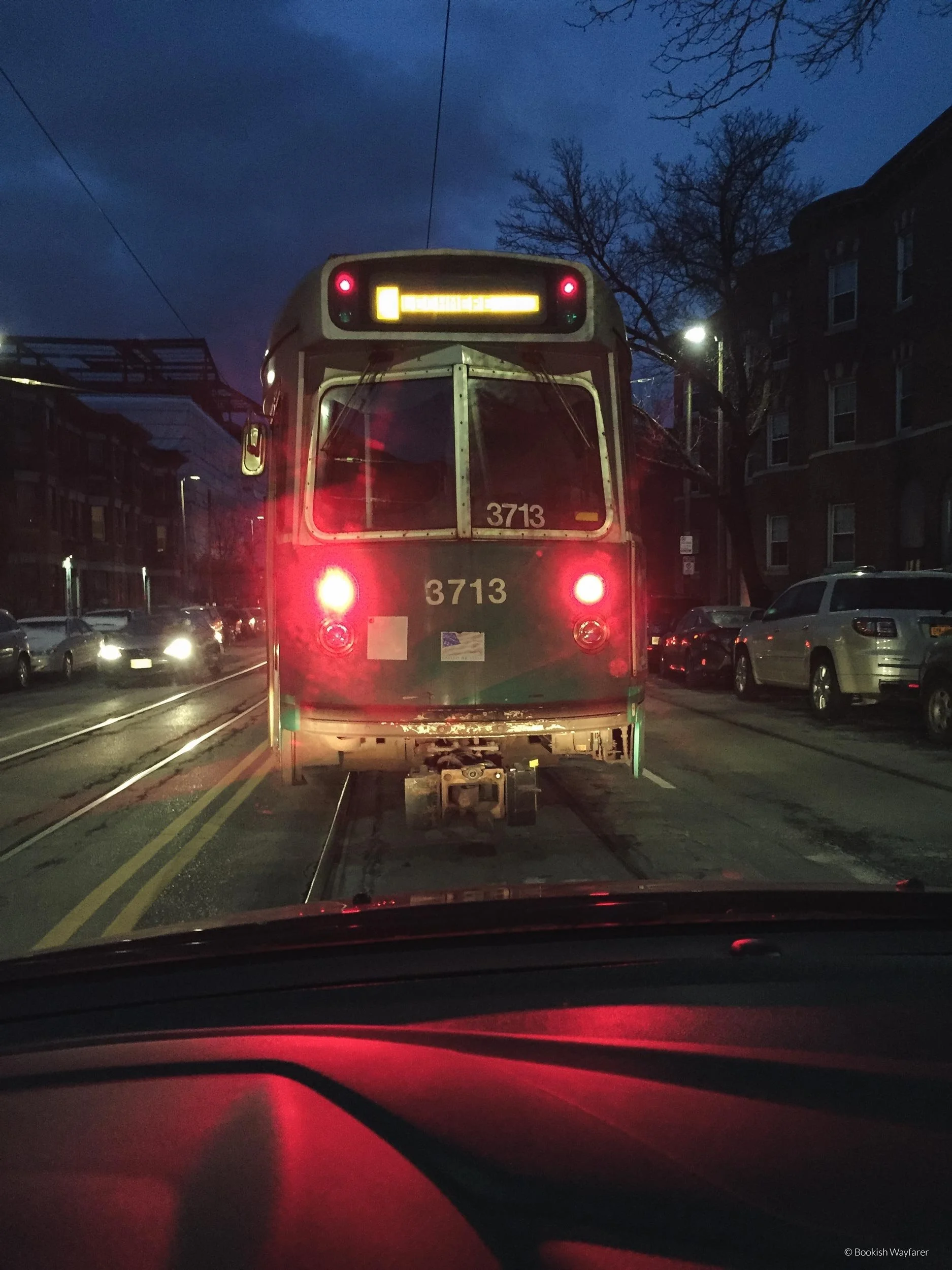
You know earlier when I said that the E Line eventually merges with traffic? This is what I meant.
Handy Apps for Navigating Public Transit
I have two go-to apps for navigating public transit: Google Maps and Transit. Both provide you with step-by-step directions for getting from Point A to B. Transit is especially nice because it has trackers that show you a bus’ or subway’s location in real time.
Biking
If biking’s your thing, you can take advantage of Bluebikes to get around Boston. Bluebikes is a network of bikes that you can rent for a set period of time using their app.
I should note that as of the writing of this article, Boston is not the most cyclist-friendly city. Some parts of the city have designated bike lanes; others don’t.
Walking
Boston is a very walkable city, especially if you stay in the city center near many of the popular tourist attractions. Oftentimes, it is quicker to walk somewhere than to take public transit (or drive). For example, you can walk from Boston Common to South Station in about 10 minutes.
Driving
Unless necessary, I would advise against driving in Boston. Unlike Manhattan or Chicago, Boston’s streets do not adhere to a grid pattern; instead, they dance to the beat of their own drum, often following no rhyme or reason. The city is also filled with one-way streets, as well as narrow two-way streets, and if you aren’t used to either, driving can quickly become stressful. Add to that Boston’s notoriously impatient, honk-happy drivers, and you can see why I discourage driving in the city.
That said, sometimes you have no choice but to drive, such as if you want to take a day trip down to the Cape. In those instances, you can rent a car. All of the major car rental companies, including Budget, Hertz, Avis, and Enterprise, have locations in Boston.
Headed to a Concert or Event at Gillette Stadium?
Gillette Stadium is not in Boston; it’s located approximately 29 miles south of Boston in Foxborough. So, how does one get there? For select concerts and events, the MBTA offers commuter rail service from South Station to Foxboro Station, which is about a quarter of a mile from Gillette Stadium. If the train is not an option, you can also drive to Gillette Stadium, but fair warning: traffic can get extremely backed up after an event.
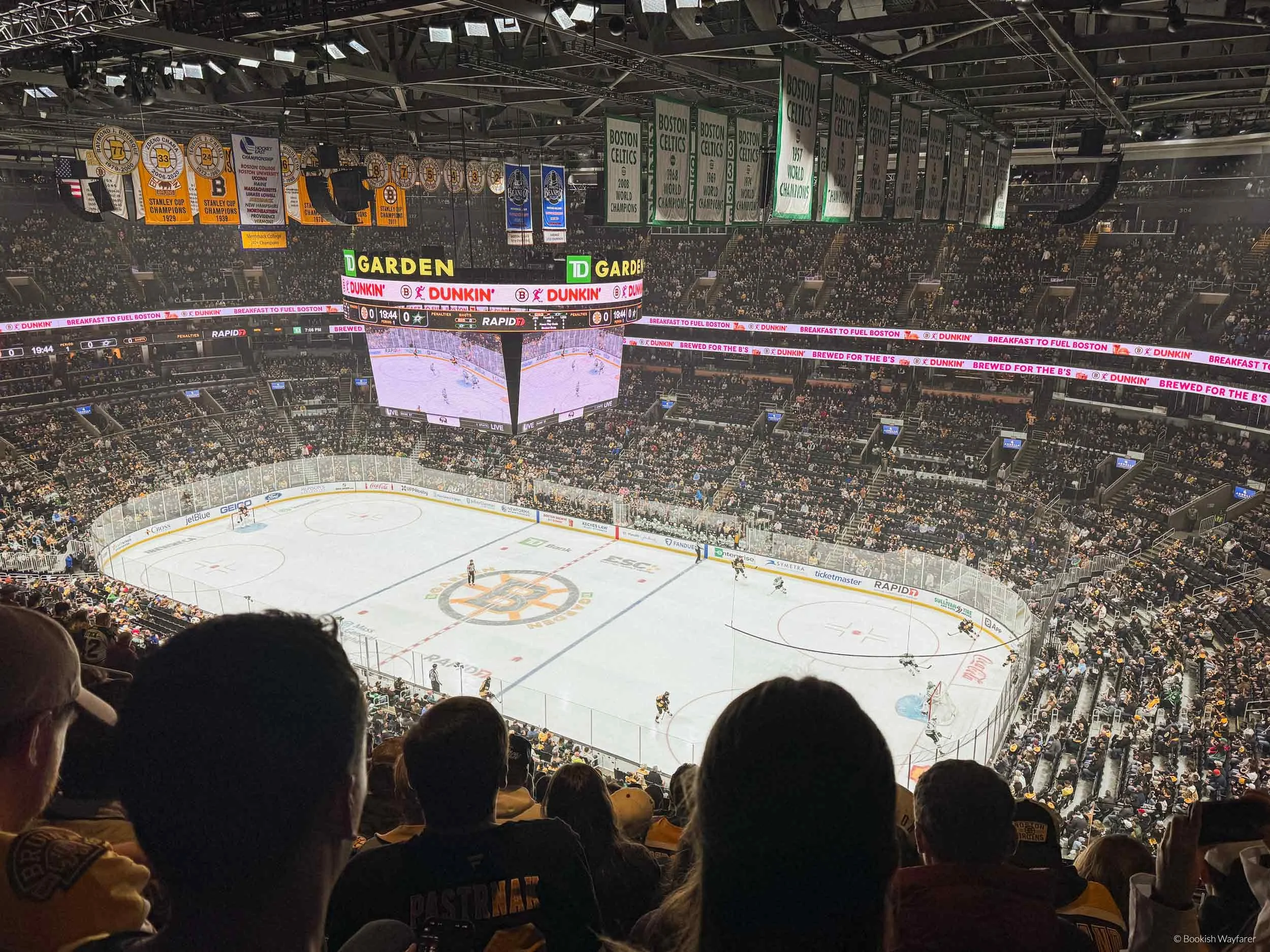
Go Bruins! If you have the chance to see a game while in Boston — be it hockey, baseball, or basketball — do it.
Where to Stay
Full transparency: I’ve never stayed at a hotel in Boston. I’ve never had to because, as a resident, I pass my evenings in my small but cozy apartment. I, however, didn’t want to leave you high and dry, so I put together this handy-dandy carousel of some of the top-rated hotels in the city, according to reviews on Booking.com.
Top-Rated Boston Hotels:
Quintessential Sites
Boston is filled with things to see and do, but if this is your first time in the city, here are the can’t-miss, quintessential attractions.
The Freedom Trail
The Freedom Trail is a 2.5-mile walking trail that connects the who’s who of Boston’s historic sites:
Boston Common (America’s oldest public park — take that, Central Park)
Massachusetts State House
Park Street Church
Granary Burying Ground
King’s Chapel
Site of the original Boston Latin schoolhouse
Old Corner Bookstore (sadly, the building no longer houses a bookstore)
Old South Meeting House
Old State House
Site of the Boston Massacre
Faneuil Hall
Paul Revere House
Old North Church
Copp’s Hill Burying Ground
USS Constitution
Bunker Hill Monument
I recommend beginning at the Boston Common Visitors Center and following the trail from there (here’s a helpful map of the entire trail). The trail itself is conveniently marked by a line of red bricks or paint on the ground, with brass markers dotting the path as well.
Please note that some of the sites along the trail, such as the Paul Revere House, charge admission.
Don’t Schlep Your Luggage Up and Down the Freedom Trail
Instead, store it. If you’re staying at a hotel and arrive before check-in, ask the front desk if they can store your luggage for you until you return (most hotels offer this service). If that’s not an option, then use Bounce to find a place to temporarily store your bags. I’ve used Bounce on several trips now and have had a great experience each time.
Beacon Hill
If you’ve ever seen a photo from Boston of a picturesque brick townhouse with a cast-iron lamppost and cobblestone street out front, chances are it was taken in Beacon Hill, the city’s historic and oh-so-pretty neighborhood. Spend some time simply wandering through the neighborhood, meandering up and down its narrow streets. If you’re looking for the quintessential Beacon Hill photo, be sure to stop by Acorn Street. Also be sure to swing by Charles Street, the neighborhood’s main drag lined with restaurants, cafés, and shops, including one of my favorite bookstores, Beacon Hill Books and Café.
Museum of Fine Arts (MFA)
If you’re an art lover, then you owe it to yourself to add the MFA to your Boston itinerary. With a collection comprising nearly 500,000 pieces, it’s quite impressive in size; you could easily pass an entire day within its walls. That said, I recommend selecting a few collections to visit rather than attempting to see everything. My favorite collections are the Art of Europe, Art of the Americas, and Art of Ancient Greece and Rome.
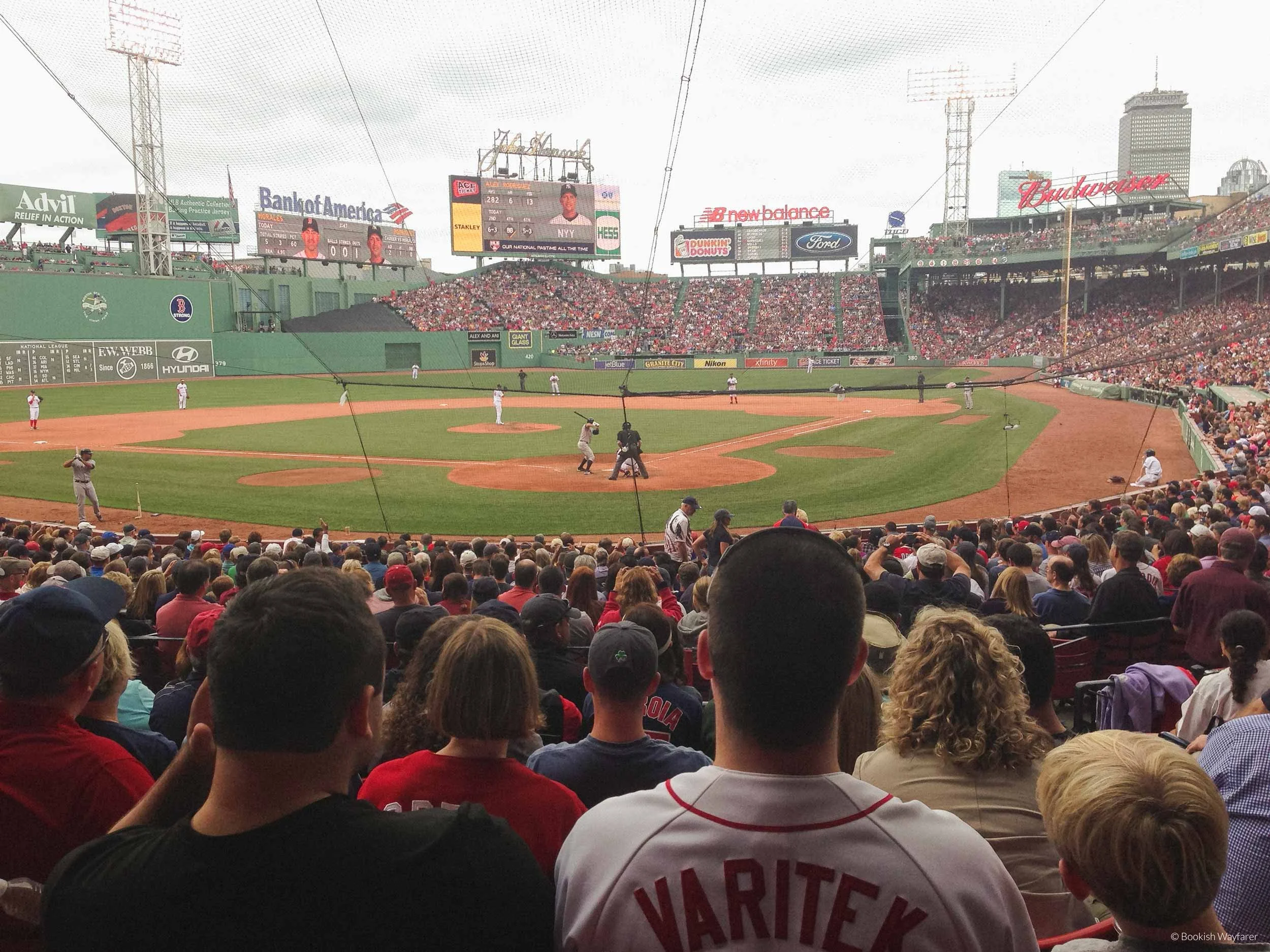
Yankees-Sox game at Fenway
Isabella Stewart Gardner Museum
The Isabella Stewart Gardner Museum might be smaller than the MFA, but what it lacks in scale it more than makes up for in grandeur. Its aptly named palace features gorgeous, atmospheric rooms that sometimes steal the spotlight from the artwork they house. Then there’s the courtyard, which in and of itself is worth the trip, and if you’re a true crime junkie, the museum offers an immersive audio walk that retraces the steps of the perpetrators of the infamous 1990 art heist.
Fun fact: If your name is Isabella, you receive free lifetime admission.
Fenway Park
The home of the Red Sox and perhaps America’s most famous ballpark, Fenway is a must-see attraction. If you come during baseball season, the best way to see Fenway is to experience it by attending a game. If you come during the off-season, book a tour.
Wondering How to Buy Sox Tickets?
As a first course of action, see if any tickets are available directly through the Red Sox’s website. If there are no available tickets, check sites that offer ticket resales, including Ticketmaster, SeatGeek, and StubHub.
The Public Garden
Adjacent to Boston Common, the Public Garden is one of my favorite spots in the city. It’s a green oasis in the heart of the city. In the summer, you can take a ride on one of the iconic swan boats; in the spring, you can admire the colorful tulips; and in the fall, you can feast your eyes upon the trees’ vibrant foliage. And in any season, you can stroll across the Boston Public Garden Foot Bridge, which once upon a time was the world’s shortest functioning suspension bridge.
Newbury Street
Newbury Street is Boston’s answer to Rodeo Drive (or perhaps, Rodeo Drive is LA’s answer to Newbury Street). Fear not, though; luxury stores are not the only thing lining Newbury Street. More affordable shops (including one of my favorite bookstores, Trident Booksellers), cafés, and restaurants are also present.
Pssst…
If you’re looking for more unique, off-the-beaten-path things to do in Boston, check out my other post: 14 Unique and Non-Touristy Things to Do in Boston.
What to Eat
If you were to ask me what foods you simply must try while in Boston, these are what I’d say.
Cannoli
In the great Boston cannoli debate, there are three contenders: Modern, Mike’s, and Bova’s. I have been to all three, and in my opinion, there’s a clear winner — Modern. Modern (that is, Modern Pastry) is a Boston institution. Located on Hanover Street in the North End, they’ve been making and selling cannoli for over 90 years. My go-to cannoli order? Chocolate-dipped shell with the traditional ricotta filling and chocolate chips. If this is your first cannoli, I highly recommend trying the traditional ricotta filling (it doesn’t actually taste like ricotta cheese), but if that’s not your thing, you can order one of their other fillings.
An important note: As of the writing of this article, Modern Pastry is cash-only.
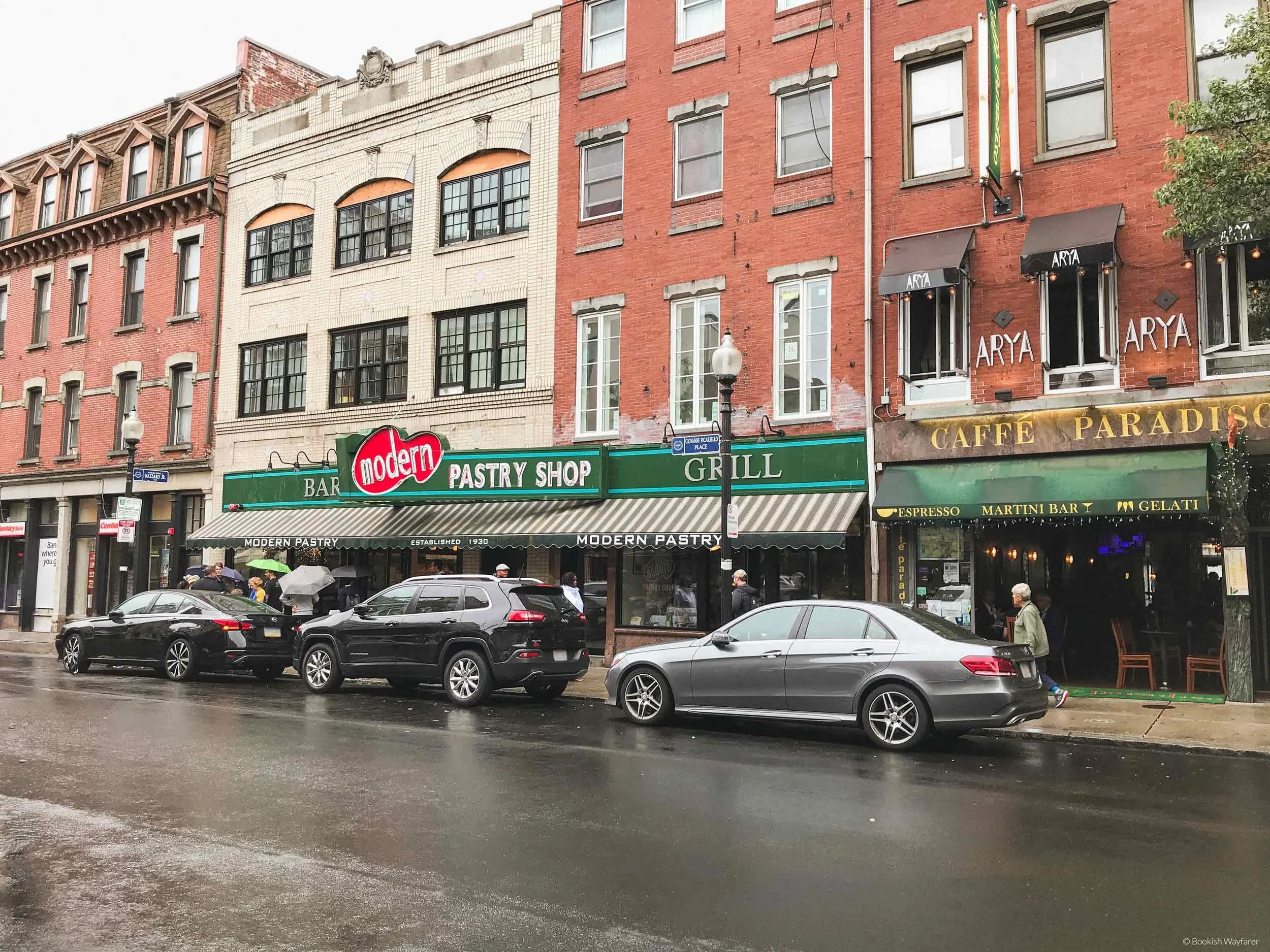
Just looking at this photo makes me want to get up and drive to the North End (their cannoli are that good)
Lobster Roll
While not exclusive to Boston (you can find lobster rolls throughout New England and eastern Canada), the lobster roll is still a staple in these parts. If they weren’t so expensive, I’d have them more often. My favorite way to have a lobster roll is hot with butter (they’re also available cold with mayo). My current favorite lobster roll in the city is from Neptune Oyster, but fair warning, it’s a popular spot.
Clam Chowder
As far as I’m concerned, if it ain’t New England clam chowder, it ain’t clam chowder. New Yorkers can keep their tomato-based chowder to themselves. True New England chowder should be rich, creamy, and thick; if it’s runny, walk away.
Raspberry Lime Rickey
Raspberry syrup, lime juice, and club soda: those three ingredients combine to make a beloved New England drink that is as refreshing as it is delicious. This is typically only available in the summertime, so if you visit Boston then, be sure to try it. Sullivan’s (or Sully’s) on Castle Island makes a good rickey.
Want to Explore More of Boston’s Food Scene?
Book a food tour. Love doughnuts? There’s a tour for that. Perhaps seafood is more your thing? There’s also a tour for that.
Other Helpful Tips & Tidbits
I think I’ve covered just about everything, but here are a few parting tips:
If you decide to drive, do not park in areas designated as resident-only. In some neighborhoods, tow trucks actively patrol resident-only streets and will tow your car. Also, pay attention to any signs about street cleaning and ensure that you’re not about to park somewhere where street cleaning is imminent (to avoid getting towed).
Here’s another driving tip: pay attention to one-way street signs. Boston is filled with one-way streets, and you don’t want to be that guy who goes the wrong way down a one-way.
Do not refer to Boston as “Beantown.” Locals do not say that, and people will immediately know you’re a tourist. Also, if you say “Commonwealth Avenue,” that is another dead giveaway that you aren’t from here; Bostonians say “Comm Ave.”
And that’s a wrap! I hope you found this guide helpful, and as always, if you have any questions, please feel free to ask them in the comments section!
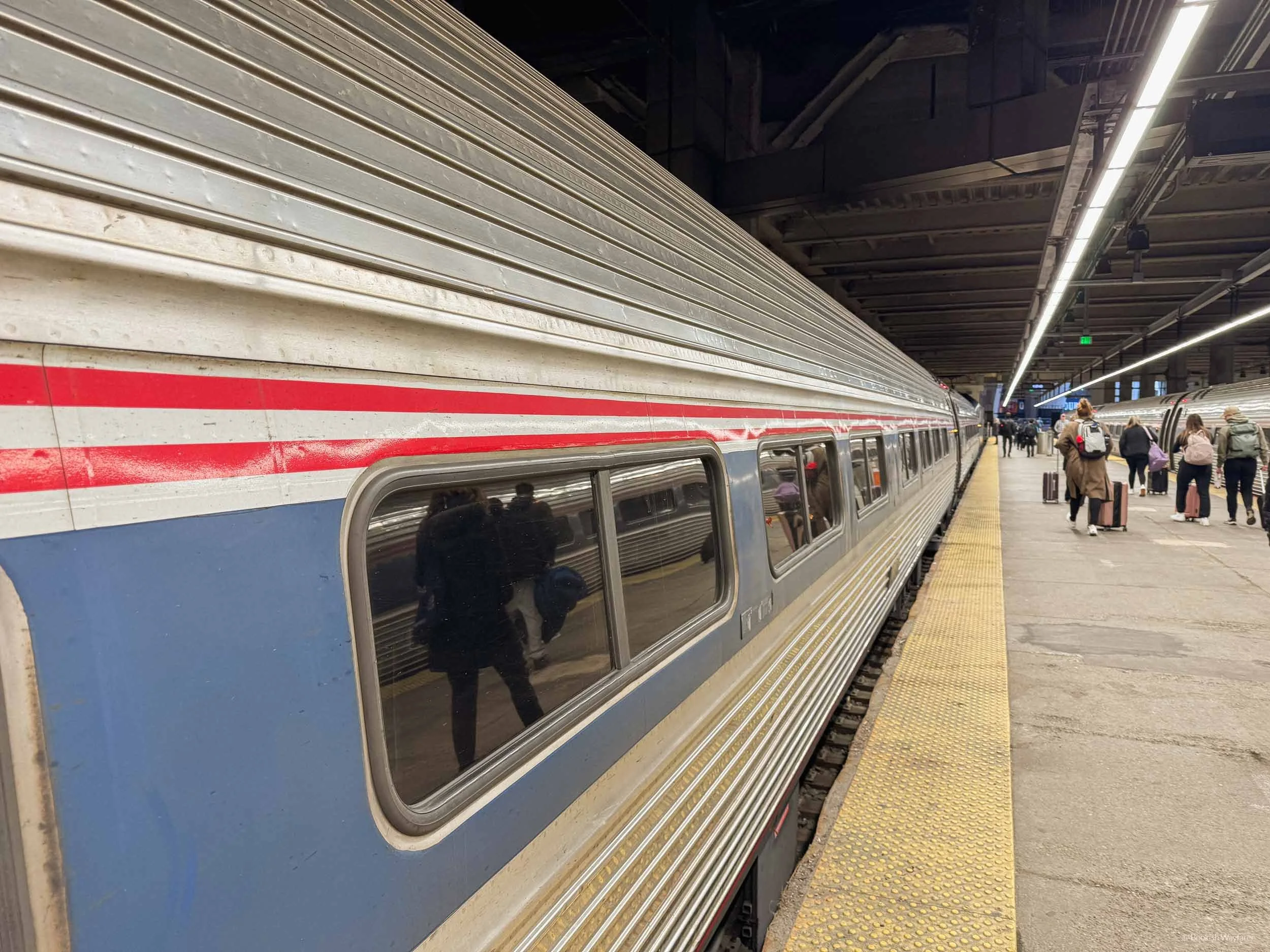
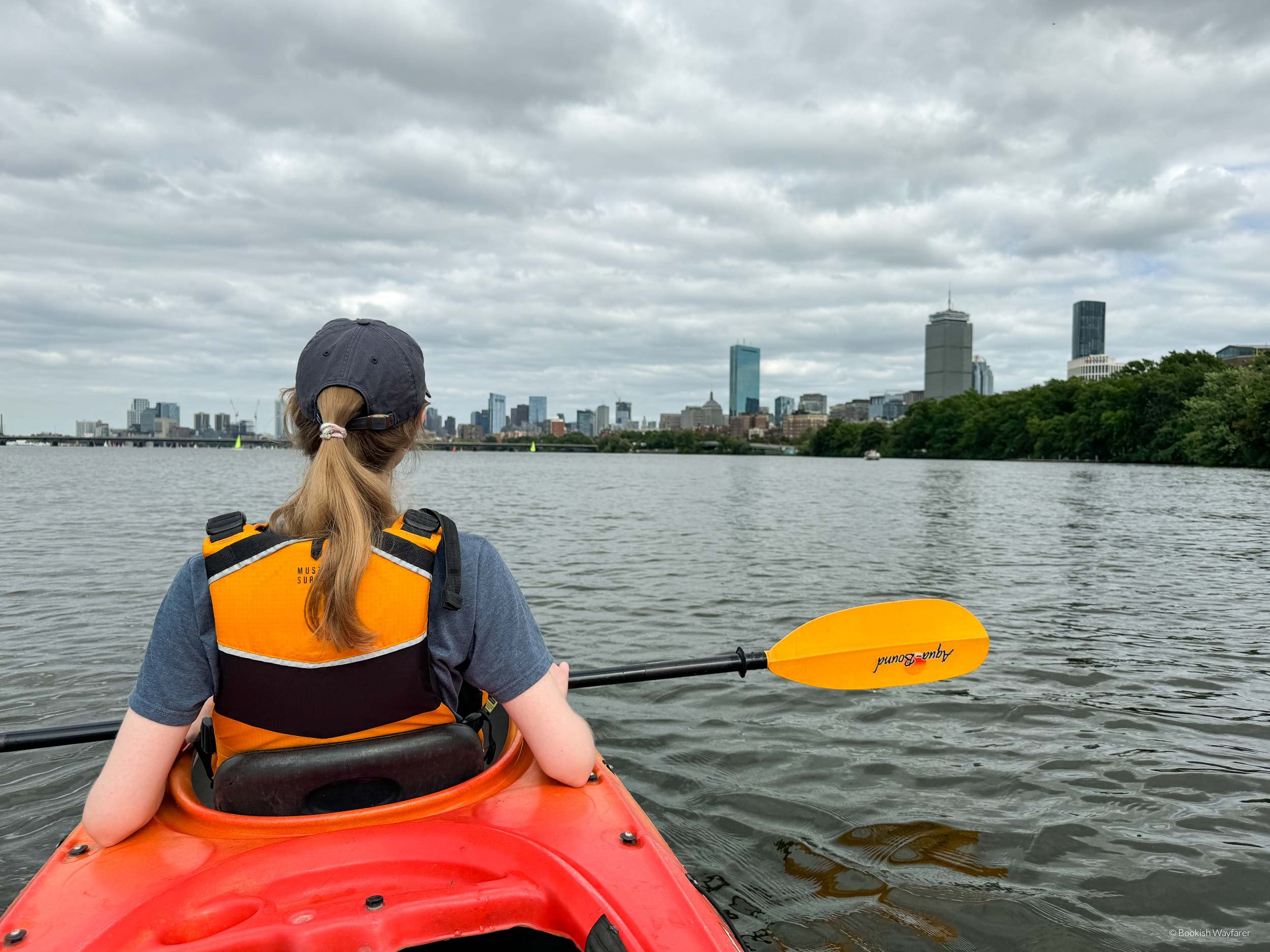
Traveling to Boston soon, be it for a day trip or week-long vacation? Get the lowdown on the city, including when to visit and how to get around, from a local.